In today's blog you'll see the CDC's guidelines for caring for someone at home (and when they can finally leave isolation-it's quite a while). Also, BBC News provided a great visual checklist about what you should do to prevent getting COVID19 and the SYMPTOMS. Finally, there is an idea of how long social distancing and sheltering should last in the U.S. Read on. SIDE NOTE- Answer to your Question - "HOW LONG WILL THE SHELTERING ACTIONS LAST? - As of March 24, 2020: It lasted a MONTH in This area of China:CHINA TO END MONTHS-LONG HUBEI LOCKDOWN Chinese authorities announced they would end a two-month lockdown of most of virus-hit Hubei province at midnight. People with a clean bill of health will be allowed to leave. The city of Wuhan, where the outbreak started in late December, will remain locked down until April 8. Hubei has seen almost no new infections for more than a week. STOP MEETING OTHERS, ASAP. Young and old have died! Stay at least 6 ft away from others. Don't ride crowded buses, subways, etc. Don't crowd in grocery stores, and certainly don't hoard. We need to be respectful of others.
************************************************** Caring for someone at home
Most people who get sick with COVID-19 will have only mild illness and should recover at home.* Care at home can help stop the spread of COVID-19 and help protect people who are at risk for getting seriously ill from COVID-19. If you are caring for someone at home, monitor for emergency signs, prevent the spread of germs, treat symptoms, and carefully consider when to end home isolation.
*Note: Older adults and people of any age with certain serious underlying medical conditions like lung disease, heart disease, or diabetes are at higher risk for developing more serious complications from COVID-19 illness and should seek care as soon as symptoms start.
Monitor the person for worsening symptoms. Know the emergency warning signs.
Have their healthcare provider’s contact information on hand.
If they are getting sicker, call their healthcare provider. For medical emergencies, call 911 and notify the dispatch personnel that they have or are suspected to have COVID-19.
If you develop emergency warning signs for COVID-19 get medical attention immediately. Emergency warning signs include*:
Trouble breathing Persistent pain or pressure in the chest New confusion or inability to arouse Bluish lips or face *This list is not all inclusive. Please consult your medical provider for any other symptoms that are severe or concerning.
Prevent the spread of germs when caring for someone who is sick
Have the person stay in one room, away from other people, including yourself, as much as possible.
If possible, have them use a separate bathroom.
Avoid sharing personal household items, like dishes, towels, and bedding
If facemasks are available, have them wear a facemask when they are around people, including you.
It the sick person can’t wear a facemask, you should wear one while in the same room with them, if facemasks are available.
If the sick person needs to be around others (within the home, in a vehicle, or doctor’s office), they should wear a facemask.
Wash your hands often with soap and water for at least 20 seconds, especially after interacting with the sick person. If soap and water are not readily available, use a hand sanitizer that contains at least 60% alcohol. Cover all surfaces of your hands and rub them together until they feel dry.
Avoid touching your eyes, nose, and mouth.
Every day, clean all surfaces that are touched often, like counters, tabletops, and doorknobs
Use household cleaning sprays or wipes according to the label instructions.
Wash laundry thoroughly.
If laundry is soiled, wear disposable gloves and keep the soiled items away from your body while laundering. Wash your hands immediately after removing gloves.
Avoid having any unnecessary visitors.
For any additional questions about their care, contact their healthcare provider or state or local health department.
Provide symptom treatment
Make sure the sick person drinks alot of fluids to stay hydrated and rests at home.
Over-the-counter medicines may help with symptoms.
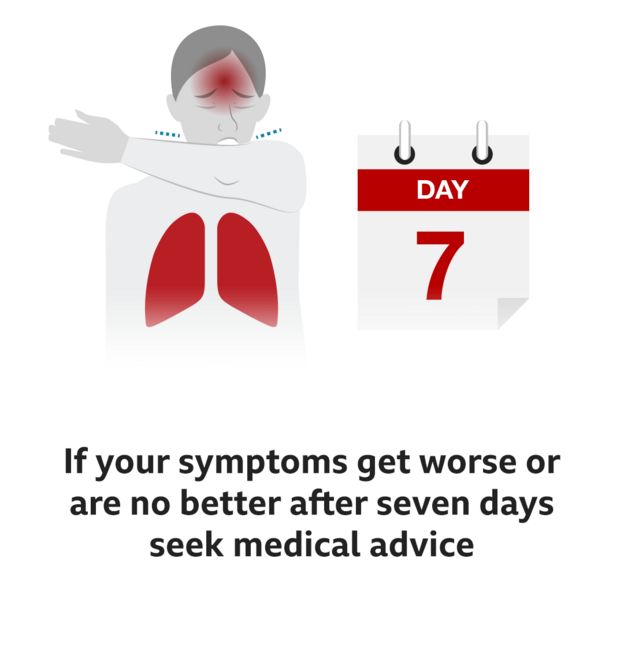
For most people, symptoms last a few days and get better after a week.
When to end home isolation (staying home)
People with COVID-19 who have stayed home (are home isolated) can stop home isolation under the following conditions:
If they will not have a test to determine if they are still contagious, they can leave home after these three things have happened:
They have had no fever for at least 72 hours (that is three full days of no fever without the use medicine that reduces fevers) AND other symptoms have improved (for example, when their cough or shortness of breath have improved)
AND at least 7 days have passed since their symptoms first appeared
If they will be tested to determine if they are still contagious, they can leave home after these three things have happened:
They no longer have a fever (without the use medicine that reduces fevers) AND other symptoms have improved (for example, when their cough or shortness of breath have improved)
ANDThey received two negative tests in a row, 24 hours apart. Their doctor will follow CDC guidelines.
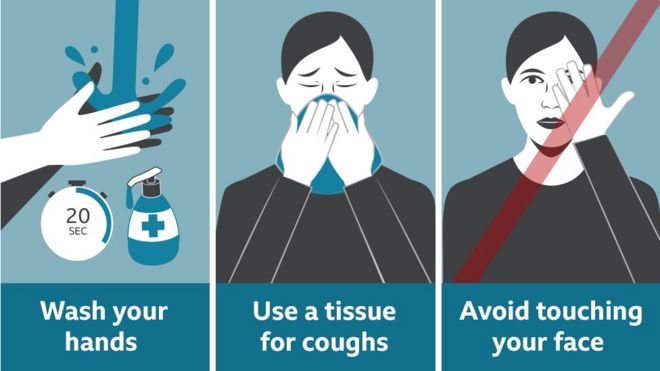
**WASH HANDS WITH HOT WATER, OR USE A GEL SANTIZER FOR 20 SECONDS
**EVEN WITHOUT SYMPTOMS - WORK AT HOME, AVOID SOCIAL VENUES
**USE A TISSUE FOR COUGHS
**IF NO TISSUE- COUGH IN YOUR SLEEVE/ELBOW
*AVOID TOUCHING EYES, NOSE AND MOUTH WITH UNWASHED HANDS
**AVOID CLOSE CONTACT WITH SICK PEOPLE
What are the symptoms - and what should I do if I feel unwell?
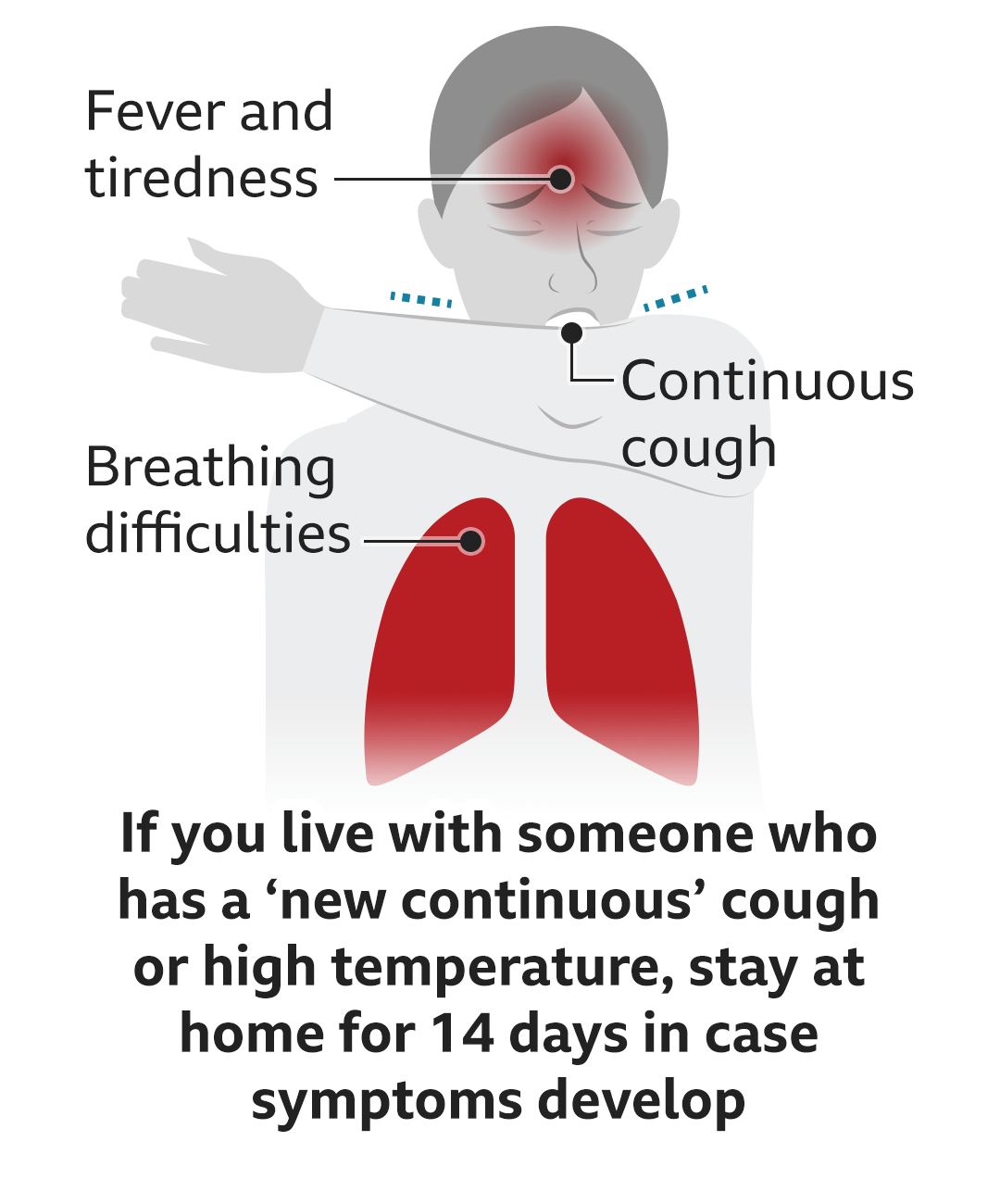
REMINDER FROM THE CDC: SIGNS AND SYMPTOMS The following symptoms may appear 2-14 days after exposure.: Fever • Cough • Shortness of breath Seek medical advice if you • Develop symptoms AND Have been in close contact with a person known to have COVID-19 or if you live in or have recently been in an area with ongoing spread of COVID-19
If you develop emergency warning signs for COVID-19 get medical attention immediately. Emergency warning signs include*:
Difficulty breathing or shortness of breath
Persistent pain or pressure in the chest
New confusion or inability to arouse
Bluish lips or face
DURATION: The effects last about 3 weeks. At 1.5 weeks you will likely experience peak symptoms and then gradually improve until week 3. **STAY AT LEAST 3 TO 6 FEET FROM PEOPLE IN YOUR HOME***WHAT TO DO IF YOU ARE SICK If you think you have been exposed to COVID-19 and develop a fever and symptoms of respiratory illness, such as cough or difficulty breathing. THEN ASK THEM WHERE TO GET TESTED
To make it easier for everyone, I've compiled facts on COVID 19 (Corona Virus 19) directly from the (CDC) Center for Disease Control website. COVID19 has proven fatal, especially to the elderly and people with lung (asthma) and heart diseases. Since I have asthma, I'm concerned (the world last saw something like this in 1918- google it). So in today's blog you'll learn the signs and symptoms, who is at highest risk, what to do if you're sick, about animals, prevention guidance, and Frequently Asked Questions. READ ON>>
SIGNS AND SYMPTOMS The following symptoms may appear 2-14 days after exposure.: Fever • Cough • Shortness of breath
Seek medical advice if you • Develop symptoms AND Have been in close contact with a person known to have COVID-19 or if you live in or have recently been in an area with ongoing spread of COVID-19
If you develop emergency warning signs for COVID-19 get medical attention immediately. Emergency warning signs include*:
Difficulty breathing or shortness of breath
Persistent pain or pressure in the chest
New confusion or inability to arouse
Bluish lips or face
DURATION: The effects last about 3 weeks. At 1.5 weeks you will likely experience peak symptoms and then gradually improve until week 3.
WHO IS AT HIGHEST RISK?
Early information out of China, where COVID-19 first started, shows that some people are at higher risk of getting very sick from this illness. This includes:
Older adults (60 plus)
People who have serious chronic medical conditions like:
Heart disease
Diabetes
Lung disease, Asthma, Bronchitis
WHAT TO DO IF YOU ARE SICK Call your doctor: If you think you have been exposed to COVID-19 and develop a fever and symptoms of respiratory illness, such as cough or difficulty breathing.
TESTING - get the test if you're sick, not if you've been exposed. There's not enough virus developed in asymptomatic people to register in tests.
People who are mildly ill with COVID-19 are able to isolate at home during their illness.
You should restrict activities outside your home, except for getting medical care.
Avoid public areas:Do not go to work, school, or public areas.
Avoid public transportation: Avoid using public transportation, ride-sharing, or taxis.
family separated
Separate yourself from other people and animals in your home
Stay in a specific room and away from other people in your home.
Use a separate bathroom, if available.
WHAT ABOUT ANIMALS? Limit contact with pets & animals: You should restrict contact with pets and other animals while you are sick with COVID-19, just like you would around other people. Although there have not been reports of pets or other animals becoming sick with COVID-19, it is still recommended that people sick with COVID-19 limit contact with animals until more information is known about the virus. When possible, have another member of your household care for your animals while you are sick
PREVENTION GUIDANCE:
Here is the CDC's guidance for prevention: The best way to prevent illness is to avoid being exposed to this virus. However, as a reminder, CDC always recommends everyday preventive actions to help prevent the spread of respiratory diseases, including:
• Avoid close contact with people who are sick.
• Avoid touching your eyes, nose, and mouth.
• Stay home when you are sick.
• Cover your cough or sneeze with a tissue, then throw the tissue in the trash.
• Clean and disinfect frequently touched objects and surfaces using a regular household cleaning spray or wipe.
• Follow CDC's recommendations for using a facemask.
• CDC does not recommend that people who are well wear a facemask to protect themselves from respiratory diseases, including COVID-19.
• Wash your hands often with soap and water for at least 20 seconds, especially after going to the bathroom; before eating; and after blowing your nose, coughing, or sneezing.
• If soap and water are not readily available, use an alcohol-based hand sanitizer with at least 60% alcohol. Always wash hands with soap and water if hands are visibly dirty.
I'm a simple guy who enjoys the simple things in life, especially our dogs. I volunteer for dog rescues, enjoy exercising, blogging, politics, helping friends and neighbors, participating in ghost investigations, coffee, weather, superheroes, comic books, mystery novels, traveling, 70s and 80s music, classic country music,writing books on ghosts and spirits, cooking simply and keeping in shape. You'll find tidbits of all of these things on this blog and more. EMAIL me at Rgutro@gmail.com - Rob